
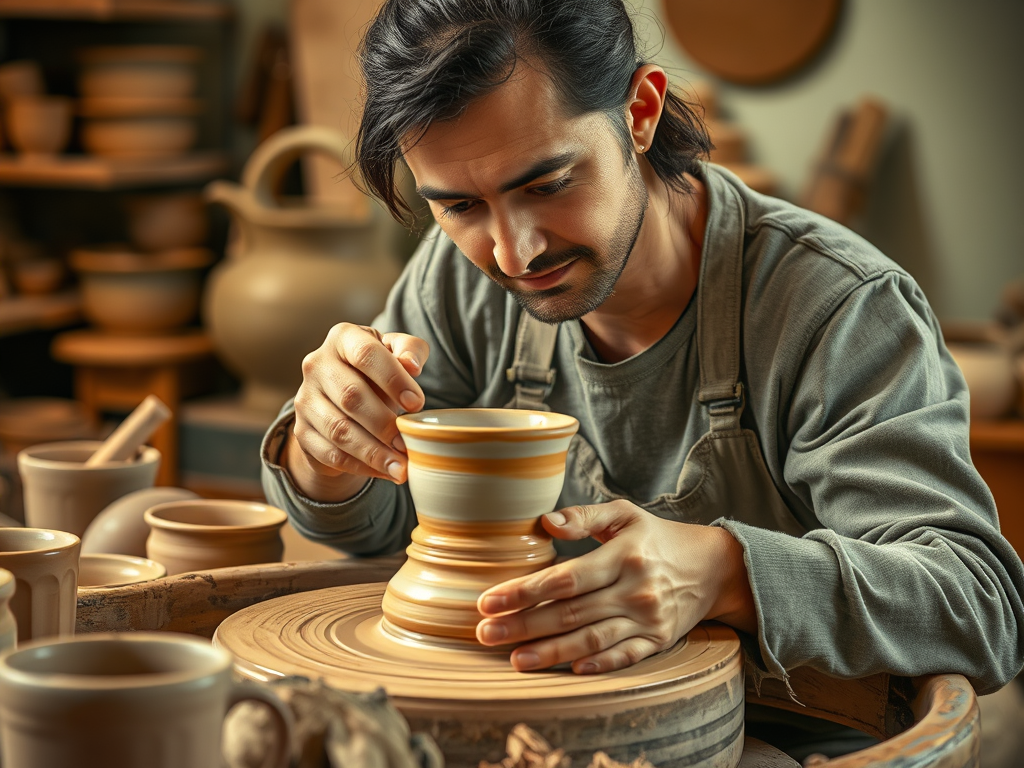
How ceramic cups are made is a question most people never think about while enjoying tea or coffee. However, every ceramic cup goes through a long and carefully controlled process before it reaches your kitchen. From natural clay to high-temperature firing, skilled workers shape, strengthen, and finish each cup with precision.
In this article, you will clearly understand how ceramic cups are made step by step, using both traditional craftsmanship and modern techniques.
How Ceramic Cups Are Made From Natural Clay
First, workers collect natural clay from selected sources. After that, they clean the clay to remove stones, sand, and other impurities. Because of this careful preparation, the clay becomes smooth, flexible, and strong enough for shaping.
Moreover, workers knead and refine the clay repeatedly. This process removes trapped air and improves consistency. As a result, the clay can handle extreme heat during firing.
How Ceramic Cups Are Made Using Shaping Techniques
Once the clay is ready, workers shape it into cups. They usually follow two methods:
- Mould casting for large-scale production
- Wheel throwing for handcrafted designs
At this stage, skill matters more than speed. Therefore, workers carefully control thickness, balance, and handle placement. Even a small mistake can ruin the entire cup.
In pottery hubs like Khurja, artisans still rely heavily on experience passed down through generations.
Drying: A Crucial Step in How Ceramic Cups Are Made
After shaping, workers allow the cups to dry naturally. During this stage, moisture slowly leaves the clay. If workers rush this step, cracks may appear later.
For this reason, drying often takes several hours or even days. As a result, the cups gain structural stability before entering the kiln.
How Ceramic Cups Are Made Strong Through Firing
Next, workers place the dried cups inside large kilns. They fire them at temperatures above 900°C. This process, known as bisque firing, transforms soft clay into hard ceramic.
Because of the intense heat, the cups become strong but slightly porous. At this point, they are ready for surface finishing.
How Ceramic Cups Are Made Safe With Glazing
After firing, workers apply glaze to each cup. Glaze is a mineral-based liquid coating that melts during the second firing.
Moreover, glazing serves two important purposes:
- It gives cups a smooth and shiny appearance
- It makes cups safe for drinking liquids
As a result, the cup no longer absorbs water, stains, or bacteria.
Second Firing: The Final Transformation
Once glazing is complete, workers fire the cups again at even higher temperatures. During this stage, the glaze melts and bonds permanently with the ceramic surface.
Therefore, colors become vibrant, textures smooth out, and the cup gains its final strength. This step completes the core process of how ceramic cups are made.
Quality Check and Packing
After cooling, quality control teams inspect every cup. They check for cracks, uneven glaze, and weak handles. If they find defects, they immediately reject the cup.
Only perfect pieces move forward. Finally, workers pack the approved cups carefully and prepare them for transport to shops, hotels, or export markets
Why Understanding How Ceramic Cups Are Made Matters
Ceramic cups may look simple, but they represent:
- Skilled human labor
- High-temperature precision
- Traditional craftsmanship
- Local economies and industries
Therefore, the next time you hold a tea or coffee cup, remember the long journey behind it.
Conclusion
Now you know how ceramic cups are made, from raw clay to finished product. Each cup passes through shaping, drying, firing, glazing, and inspection before reaching your table. Ultimately, ceramic cups are not just everyday objects — they are products of skill, patience, and fire.


