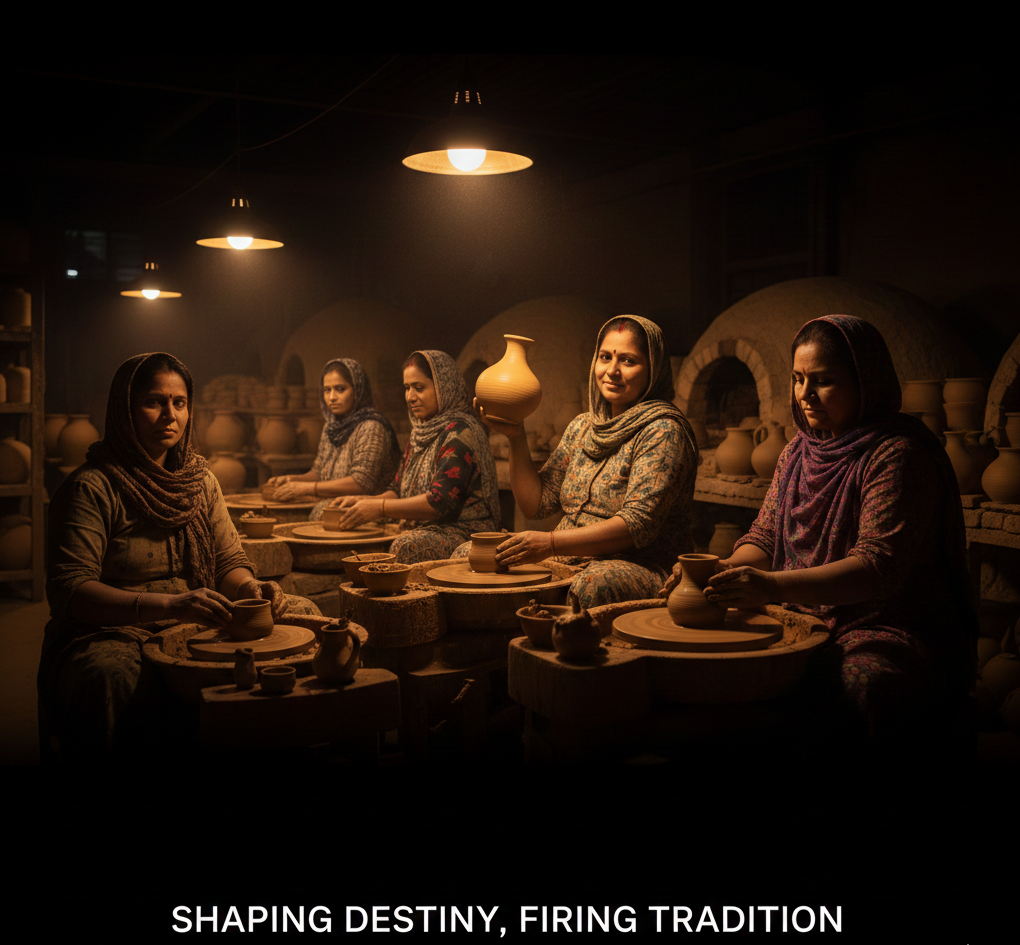
Khurja, a small town in Uttar Pradesh, has been known for its ceramic and crockery industry for decades. Earlier, this industry was largely dominated by men, while women were mostly limited to household responsibilities.
But today, the situation is changing rapidly.
Women from Khurja are now working inside factories, pottery units, and design workshops, playing an important role in shaping the future of the crockery industry. This is not just a story about work — it is a story of confidence, independence, and empowerment.
A Brief History of Khurja’s Crockery Industry
The tradition of making ceramic and crockery products in Khurja has been passed down for generations. In earlier times, women were involved only in small supportive tasks such as cleaning finished products or preparing raw materials at home.
Gradually, with better awareness and opportunities, their role began to expand beyond these limited responsibilities.
What Roles Are Women Playing Today in the Crockery Industry?
Ceramic Painting and Design Work
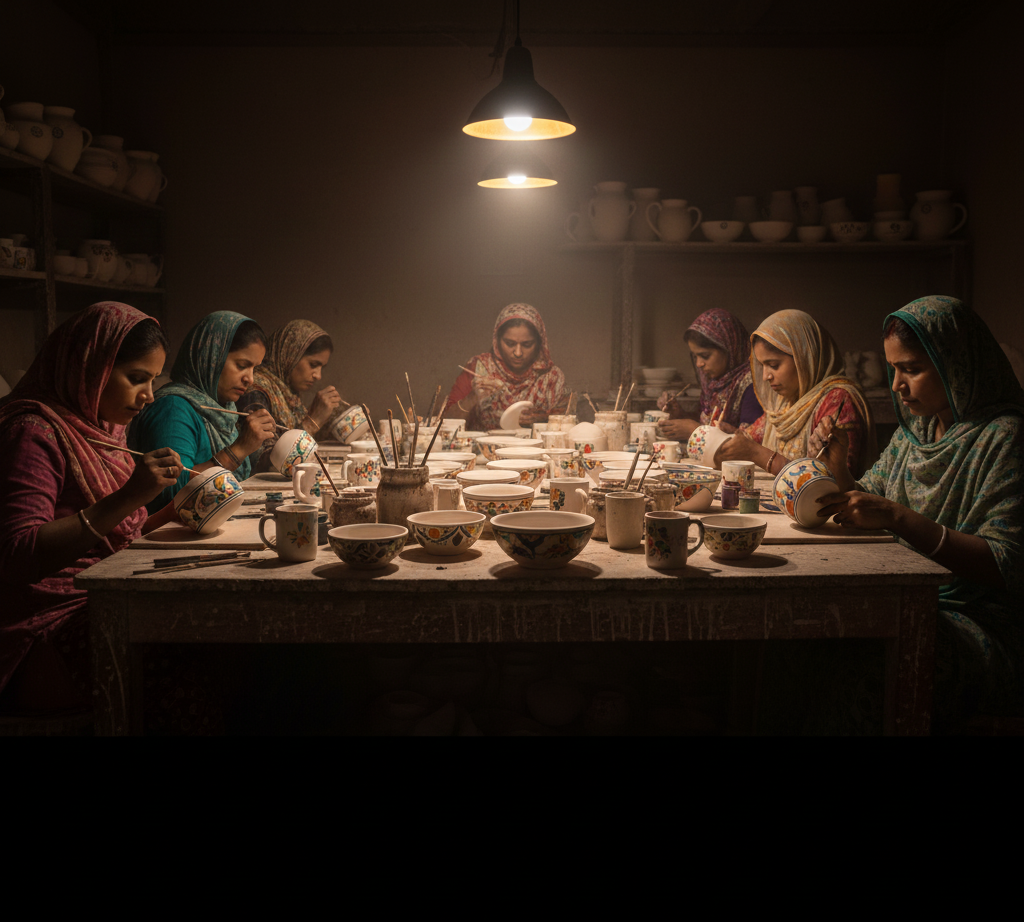
Many women in Khurja are now engaged in hand-painting ceramic mugs, bowls, and plates. Their artistic skills and attention to detail have helped create designs that are appreciated not only in India but also in international markets.
Active Participation in Factory Production
Women are increasingly involved in key production processes such as moulding, glazing, and finishing. Tasks that were once considered physically demanding are now being handled confidently by women across various factories.
Home-Based Ceramic Work and Income
Several women prefer working from home, especially in ceramic painting and decoration. This allows them to earn a steady income while also managing family responsibilities, making them financially independent without leaving their homes.
What Women Empowerment Truly Means in Khurja
For women in Khurja, empowerment is not just about earning money. It also means:
- Having a voice in family decisions
- Supporting children’s education
- Gaining respect within society
This shift is slowly changing traditional mindsets and inspiring younger generations of women to follow the same path.
Role of Government Schemes and Self-Help Groups
Government skill-development programs and women self-help groups have played a significant role in this transformation. Through training, small loans, and access to markets, women have gained the confidence and resources needed to succeed in the crockery industry.
Challenges That Still Exist
Social Pressure and Limited Awareness
In some areas, women still face social pressure when working outside their homes. Traditional thinking and lack of awareness remain challenges, though the situation is gradually improving.
Limited Market Exposure
Despite their talent, many women do not yet have direct access to large buyers or online platforms, which limits their earning potential and growth opportunities.
Why Women Are the Future of Khurja’s Crockery Industry
Women bring creativity, patience, and precision to ceramic work — qualities that are essential for high-quality crockery production. The improved designs, better finishing, and attention to detail seen today are largely due to women’s contribution.
With the right support and exposure, women are set to become the backbone of Khurja’s crockery industry in the coming years.
Final Thoughts
Women in Khurja are not just making crockery — they are building a new identity for themselves. Their journey reflects courage, hard work, and determination.
This transformation proves that when women are given opportunities and support, they can reshape entire industries and inspire meaningful social change.